



Description
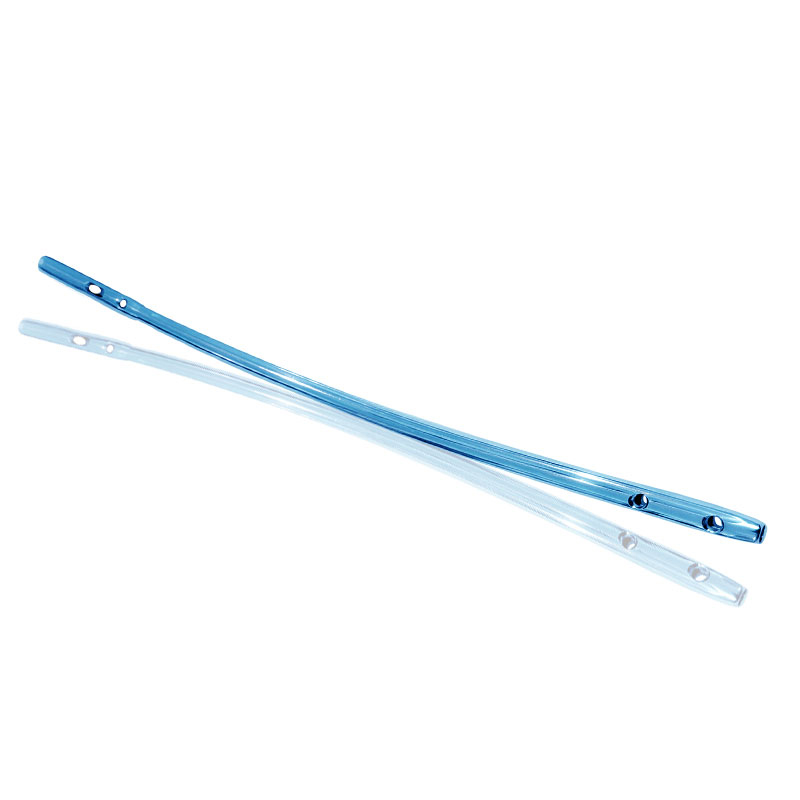
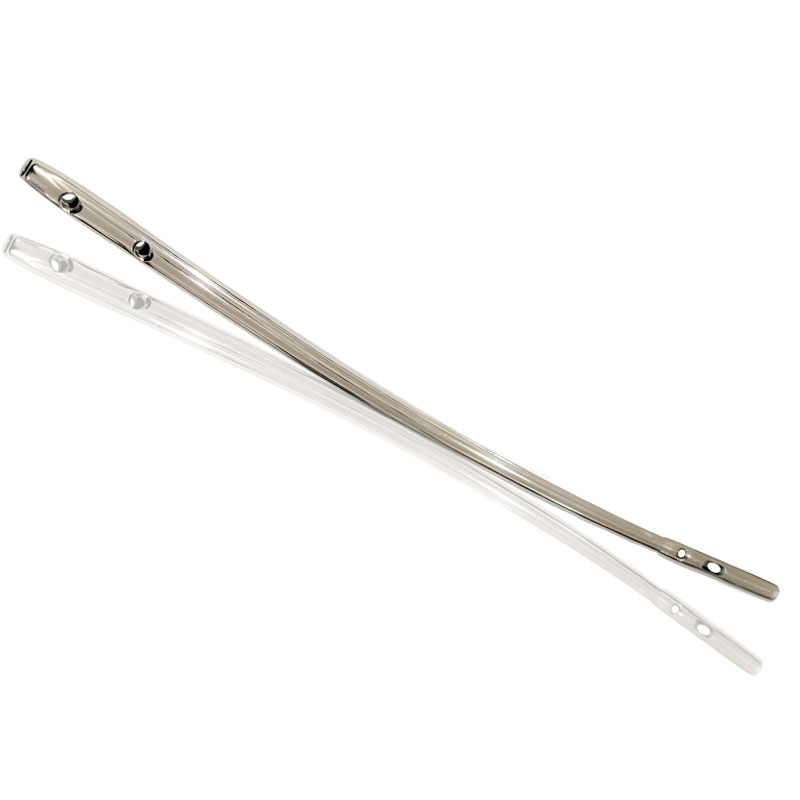
Modified Nailing Technique
In general, the modified nailing technique allows the use of larger diameter implants and therefore may provide greater initial stability. Some studies indicate a tendency toward malunion and nonunion when reaming is performed. On the other hand, fat embolization is a concern, and with solid and unreamed nails, greater forces are required to achieve nail torsion. Most centers prefer nailing as the standard method.
Overall, this treatment option includes the following four general fracture patterns:
a) Unreduced fracture
b) Reduced fracture
c) Temporarily reduced fracture that is stable
d) Completely fixed fracture
Symptoms of Femur Fracture
When the femur bone is fractured, it is usually associated with very severe and immediate pain, and in such conditions, you will not be able to bear weight on the injured leg.
Depending on the type of fracture, deformity may also occur, making the leg appear misaligned or shorter than the other.
Methods of Diagnosing Femur Fracture
Physical Examination
At first, it is important for the doctor to obtain details about how the injury occurred in order to determine whether other areas are injured as well.
The overall condition will then be assessed, considering the following points:
a) Obvious deformity of the thigh (unusual angle, shortening of the leg, or twisting)
b) Skin laceration
c) Bruising
d) Bone fragments pressing against the skin
Imaging
Diagnostic imaging provides more detailed information about your injury to the physician.
X-ray
One of the most common methods for diagnosing fractures is the use of X-rays, which can provide clear images.
X-rays are also capable of showing the type and location of the fracture.


Reviews
There are no reviews yet.